

A shortage of new electricity generation projects coming online and the power demands of data centers are the two main reasons why consumer electric bills will increase in June, according to a new report.
"A significant reason for this supply shortfall is PJM's own delays in connecting new energy projects to the grid," the study from the non-partisan think tank, New Jersey Policy Perspective, says of the regional transmission organization responsible for managing the electricity market in 12 states, including New Jersey.
PJM stands for Pennsylvania-New Jersey-Maryland Interconnection, an organization that operates the electrical grid for much of the eastern U.S.
NJPP policy analyst Alex Ambrose writes in the report that "PJM must do better — and can."
"Adding more clean energy to the grid is one of the most effective ways to lower costs for ratepayers and improve grid reliability across the PJM region. However, achieving that goal will require greater transparency in PJM's decision-making and meaningful reforms to its planning and interconnection processes so that new energy projects can come online faster."
As older power plants have shut down in New Jersey, the state's utilities have become electricity importers, which puts them in competition with other states that also are bidding for electrical power from grid operators like PJM.
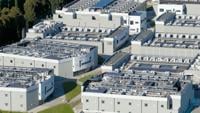
Supply has not kept pace with the demand for power, driven largely by the growth of commercial data centers that require huge amounts of electricity, the report explains.
"According to PJM, data centers alone account for 70% of the projected increase in demand," Ambrose reports. "As a result, utilities paid more for future capacity, and those costs are passed on to customers."
Ambrose blamed a lag in PJM's review process in connecting new energy projects to the grid as a "significant reason" for the shortfall in supply.
"This is a review process that assesses whether the project can be safely added to the grid, but in practice, this has become a major bottleneck," the analyst states.
In March, electrical generation projects with potential production of 143 gigawatts, including 79 projects in New Jersey, were awaiting PJM approval. That amounts to the equivalent of 80% of the current electrical capacity of the grid, according to the report.
However, Ambrose wrote, there is little oversight of grid operators like PJM: "Unlike public (utilities), PJM operates largely behind closed doors with limited transparency and few opportunities for public input or accountability. This lack of transparency makes it difficult for state governments or consumers to inform decisions that directly affect utility bills."
Ambrose concluded that the New Jersey Legislature also has a critical role.
"By advancing policies that promote energy efficiency, strengthen consumer support programs, and manage demand from large energy users like data centers, New Jersey can help build an energy system that is more affordable, resilient, and equitable," according to Ambrose's report.