
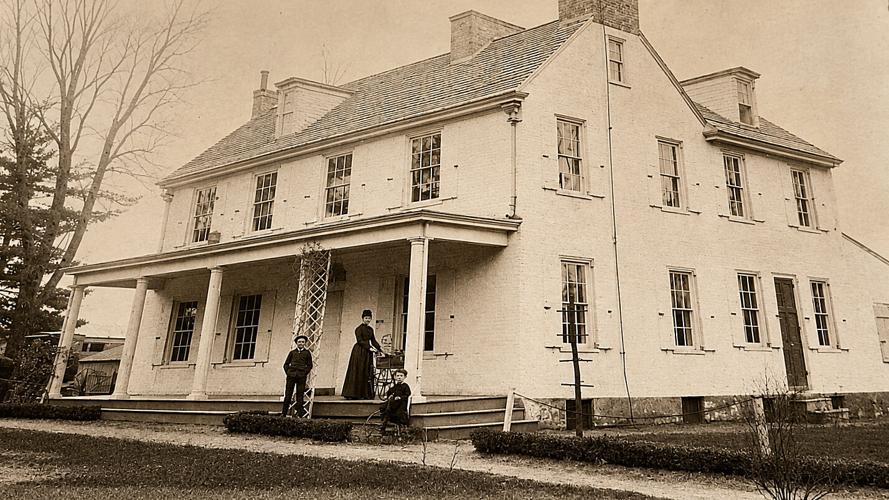
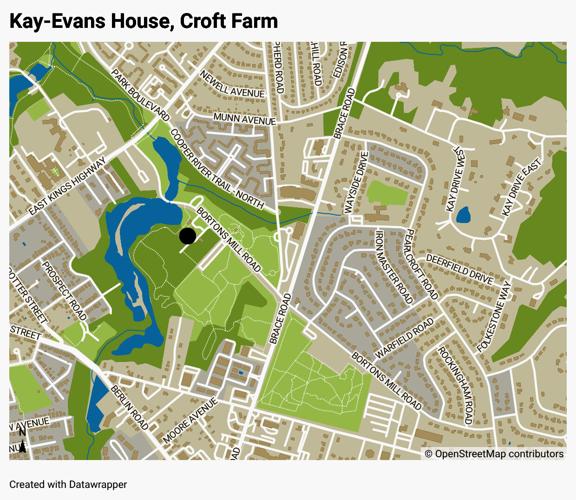

An early photo of the Kay-Evans House enhanced with AI. The content of the photo has not been changed.
The 692 pages of bid specifications for the Cherry Hill Township project go into exhaustive detail down to how brick should be cleaned and selecting paint colors for fixtures.
This $1.45-million undertaking isn't just another town government job.
To listen to officials, it's a labor of love as the 278-year-old Kay-Evans House on the town-owned Croft Farm gets its most extensive work since a full-scale preservation project 20 years ago.

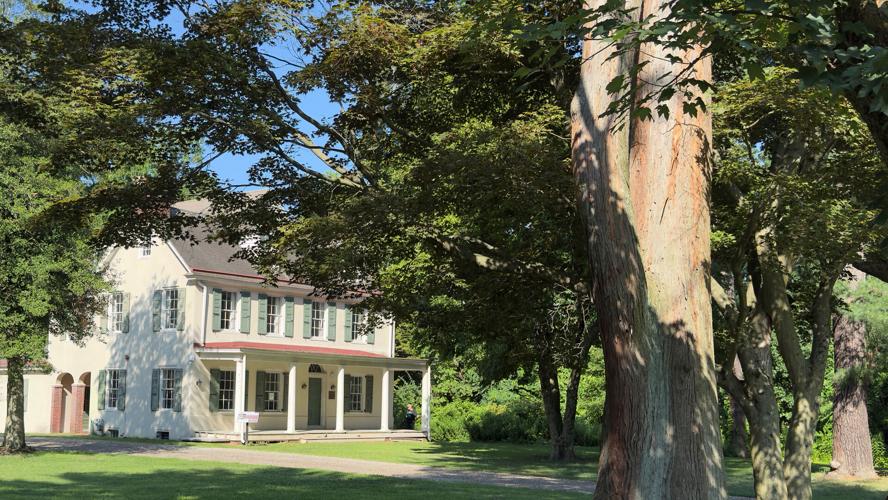
The Kay-Evans House at Croft Farm in Cherry Hill as it appears today.
"This is an important investment in one of Cherry Hill's treasures for the community," Mayor David Fleisher told 70and73.com in an interview.
Added Megan Brown, the Township recreation director: "Think of it more as preservation as opposed to renovation."
Built around 1748, and added on to over the years, the farmhouse off Brace Road is among the oldest structures in South Jersey's most highly populated municipality.
Cherry Hill isn't known for historical buildings like neighboring Haddonfield or Moorestown in Burlington County. The 24 square miles of onetime farms and fruit orchards stand out for post-Baby Boom sprawl that saw tract developments spread in the 1960s and 1970s.
But the Township preserved the formerly worn-down Kay-Evans homestead by buying the residence, outbuildings and nearly 80 acres of Croft Farm in 1985 for $4 million. The property not only represents the town's agricultural history, it also stands out for its role in freeing slaves through the Underground Railroad in the 1800s, according to the application that got it on the National Register of Historic Places in 2000.
A grist mill and later a saw mill were operated behind the house on the south branch of the Cooper Creek, which was dammed up.
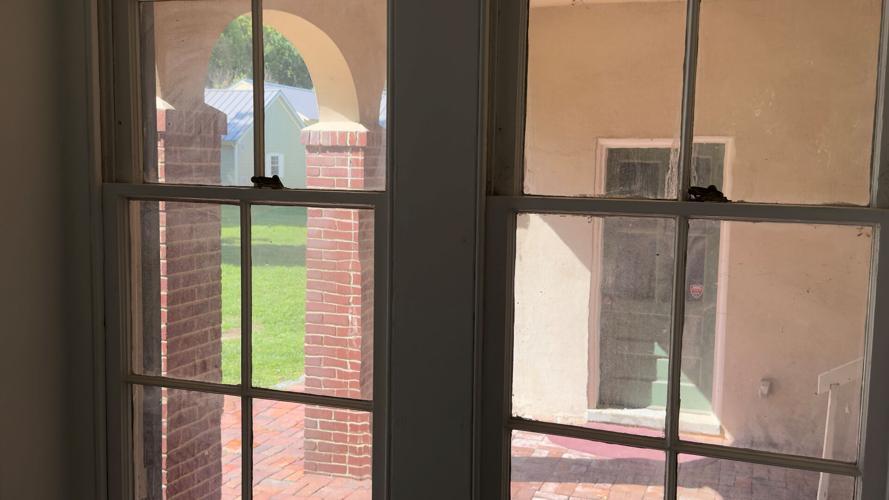
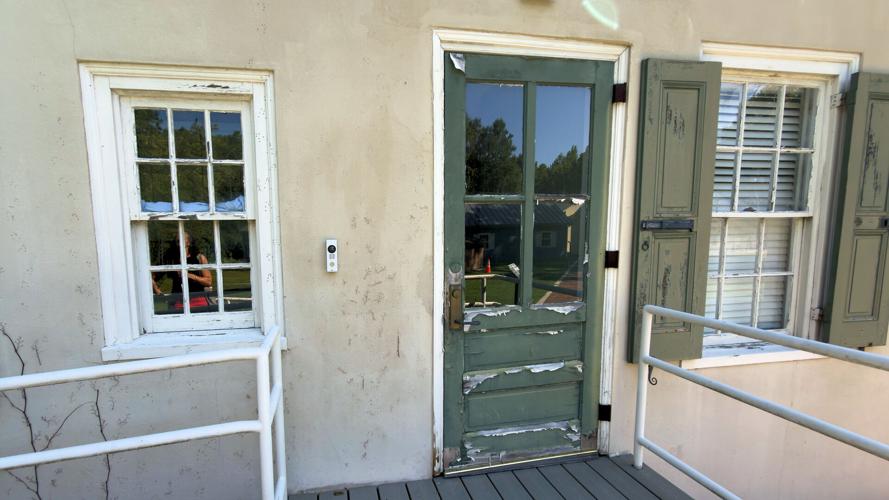
Work to be done on the house preservation project includes window and porch restoration, exterior stucco cleaning, site drainage improvements and interior repairs and painting, according to the bid document.
Brown explained the work also involves improving the foundation in the basement of the house, with bricks picked up and a cement slab installed under the bricks.
The house was constructed in three different sections over time, with some enhancements added by the town. A ramp behind the house was built for access by the disabled and an ADA bathroom was added inside.
Brown and the mayor said the town intends to open the house to the public more frequently. Activities would be limited to the first floor because the second floor is not disabled accessible.

Outside stucco, doors and windows will be restored and painted with colors that are historically correct.
"We envision increased community use after these enhancements are made," Fleisher said.
Additional uses could come during major township events, including the Cherry Hill Township Winter Festival in early December.
Space also may be devoted to displaying some of the historical finds uncovered by the archaeological dig at the perimeter of the house early this year.
Archaeologists found no surprises, but the dig was rich in undisturbed historical material 18 inches below the surface, Brown said. The finds supported the reported history of the house, including its role in the Underground Railroad helping runaway slaves.
Previous coverage: Archaeologists uncover compelling evidence of Cherry Hill's Croft Farm as a busy Underground Railroad stop.
The house totals 6,666 square feet, which includes the basement and attic.
Funding for the project comes from local, county and state sources.
They include a $638,286 grant from the New Jersey Historic Trust and a $150,000 one from the Camden County Open Space & Historic Preservation Trust Fund. Funding also is coming from Township capital funds, which is contributing $660,914.


Windows will be repainted and repaired with attention to historical detail. Looking outside, some of the retained panes are old and wavy.


