


When the weather warms, community Facebook pages come alive and buzz with posts of insects, asking: "What's this bug??!!?"
These nearly always harmless and often helpful creatures forever elicit visceral reactions from most humans either out of fear, repulsion or anger over another specie's invasion.
But what makes the sighting by home bugologists different from the past is the rise of the smartphone camera. Today you don't simply have to describe the creepy crawler to your spouse — you can show a photo.
"People being interested in what they see in the natural world has increased tremendously because of that simple tool," says Jon K. Gelhaus, curator of entomology at the Academy of Natural Sciences in Philadelphia and a professor at Drexel University. With the smartphone, the insect becomes memorialized before they skitter or are squashed. Many then look for expert help in getting the creature identified, Gelhaus, a Voorhees resident, adds.

Jon K. Gelhaus of Voorhees, curator of entomology at the Academy of Natural Sciences in Philadelphia and Drexel University professor. Note the sign in this Cape May County photo: His area of research is the Crane Fly.
"This is really becoming a really interesting time for all of us to have access to identification to plants and animals, all kinds of fungi — all kinds of organisms we see in our everyday life," Gelhaus says.
If the post is on a Facebook page, often five dozen helpful people — not including the sarcastic ones — respond with comments either guessing the insect or explaining how they, too, have found them in their yard/driveway/kitchen/bathroom.
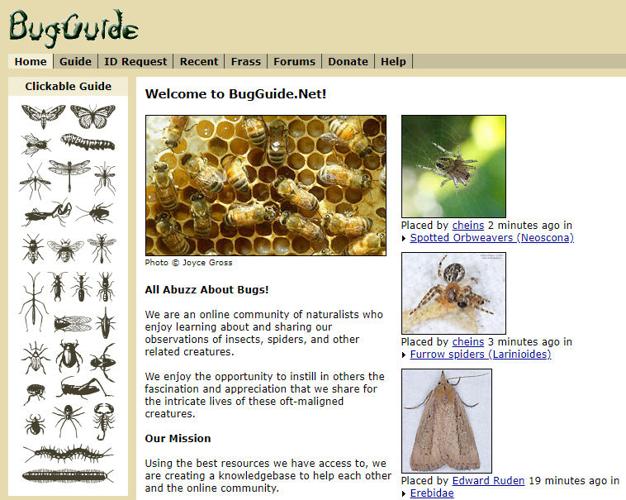
When the answer isn't satisfying, the curious bug-spotter can upload a photo to one of the websites inviting photos of bugs to be identified, such as bugguide.net. At least a half dozen insect identification apps are available for the smartphone: simply shoot and the app can identify.
Gelhaus says the software's identification of common bugs is "right on the money. Or it's close."

The bug identification website BugGuide.net.
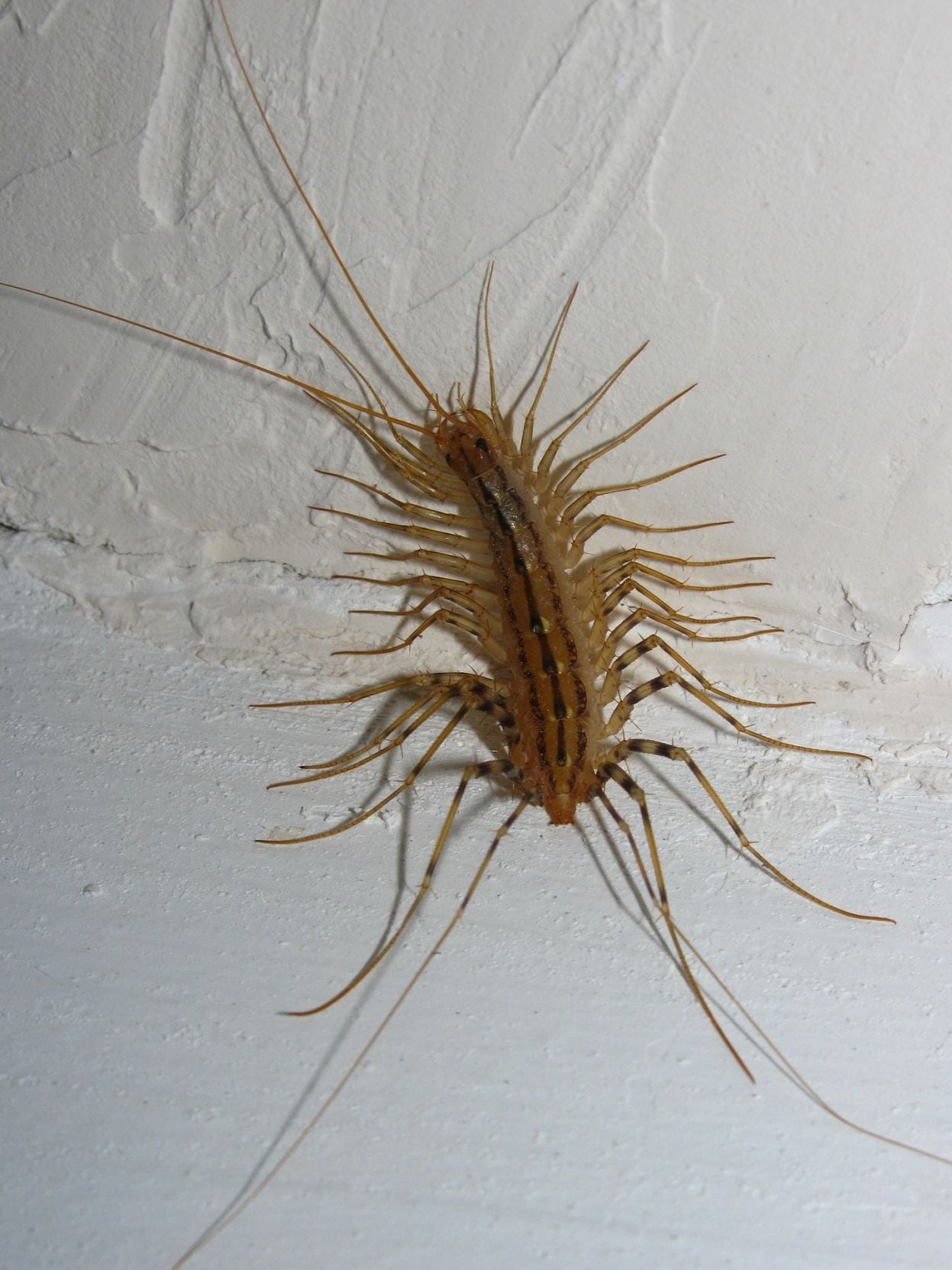
Many people have a hard time getting beyond disgust when they spot, for example, a zillion-legged house centipede darting along their bathroom floor. A survey of America's Top Fears in 2016 by Chapman University found 25% of respondents said they were afraid or very afraid of insects/arachnids (such as a spider). That fear is ranked just above becoming unemployed or a fear of heights and just below public speaking or theft of property.
People naturally run from bees or wasps, which can hurt them. Some run even faster when they come upon the common carmel-colored spider cricket in the basement and it leaps across the room right at them.
But Gelhaus, whose fascination with insects began as a young boy, said "very few insects are dangerous to humans. Most of them do us good."
Using the house centipede — a resident in many homes — as an example, Gelhaus says the critters are harmless and keep down the bug population. A house centipede's key meal is silverfish, which feed on book bindings and damage other objects around the house as they eat.
"We tend to leave the house centipedes alone. They're doing a useful function," adds Gelhaus, who says his wife isn't a centipede fan but really hates silverfish so she lets the centipede do what it needs to do.
Spiders tend to provide the greatest chills, but many are too small to affect humans even though they have venom. Some in this region, such as the Black Widow or Brown Recluse spiders come with a harmful bite but they are "secretive kinds of spiders" and not often out in the open, Gelhaus explains.
One type of insect can be highly dangerous to humans: the ones that feed on our blood.
Mosquitoes can carry diseases, such as West Nile virus or Equine Encephalitis in the Philadelphia area, Gelhaus says.
Bed bugs, fleas, head lice also are worrisome. The bed bug isn't known to carry disease but the notion of an infestation in your home "just freaks people out."
Ticks, common in this region, can inflict a bite that can produce serious health problems in humans, including those caused by Lyme disease.
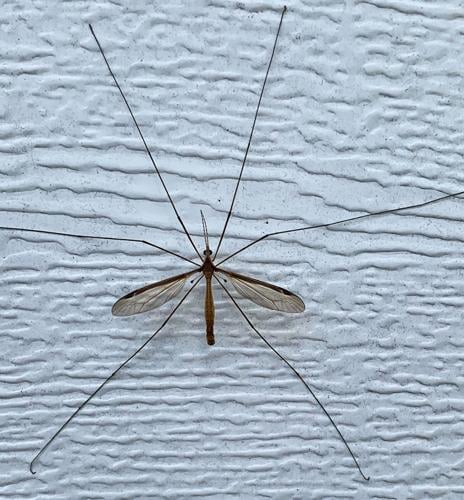
Gelhaus' main area of research is the Crane fly, those long-legged flies that sometime get into the house.
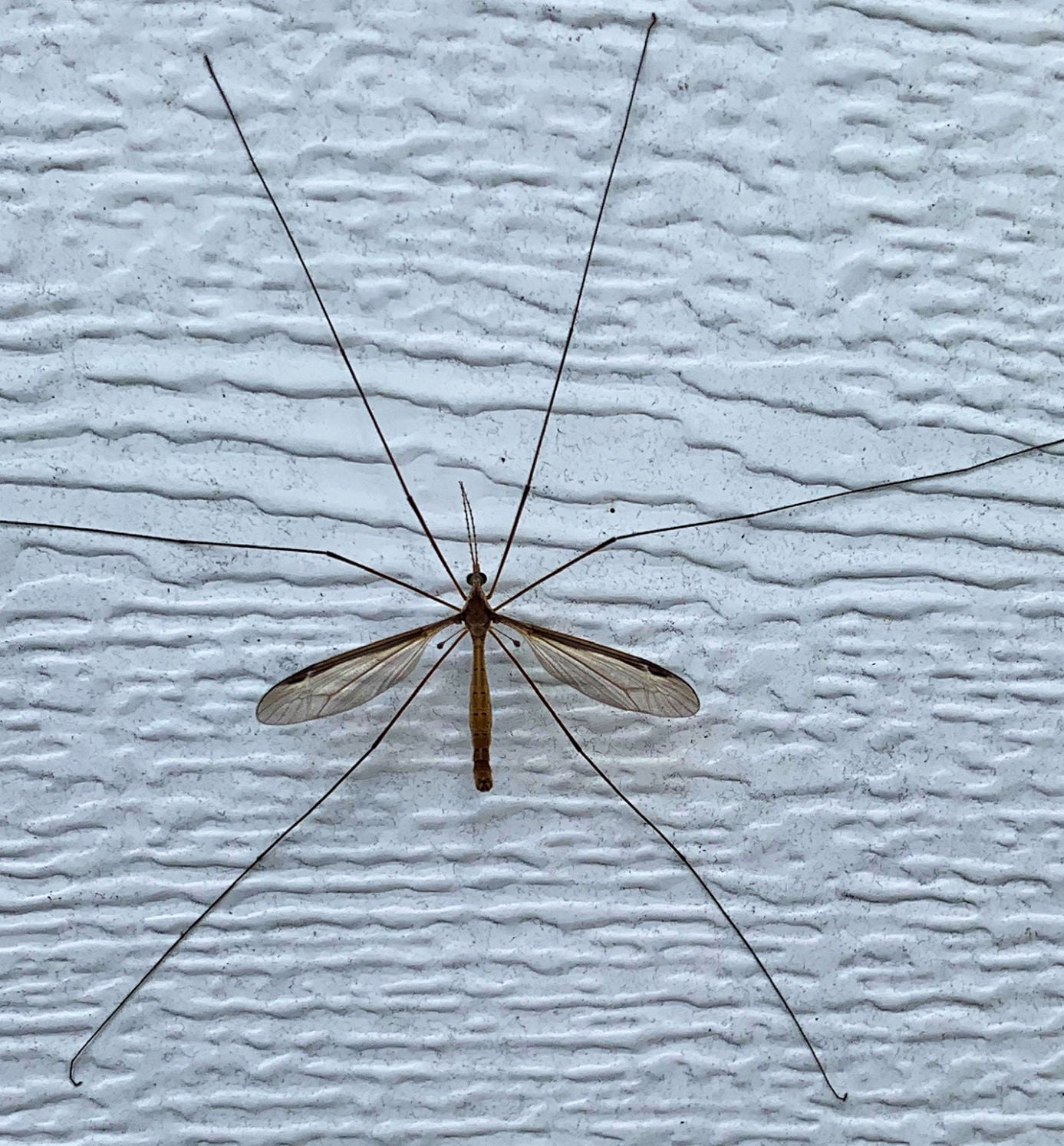
The Crane fly is the subject of entomologist Jon K. Gelhaus' research.
If you live in a wooded area and sit in the backyard during the summer, you'll notice one bug possibly without ever seeing it — the Cicada. This insect serenades in many tunes, depending on the species of the Cicada.
Cicadas live underground as nymphs, feeding on tree roots but generally not causing major problems, he says. They emerge from the earth periodically, break out of their exoskeletons and fly off, living only a couple of weeks as they call, mate and lay eggs.
While there are 17-year and 13-year Cicadas, many in this region live beneath the surface for far fewer years before emerging. Every year, different populations of Cicadas break through the earth, leave their shells behind and fly away.
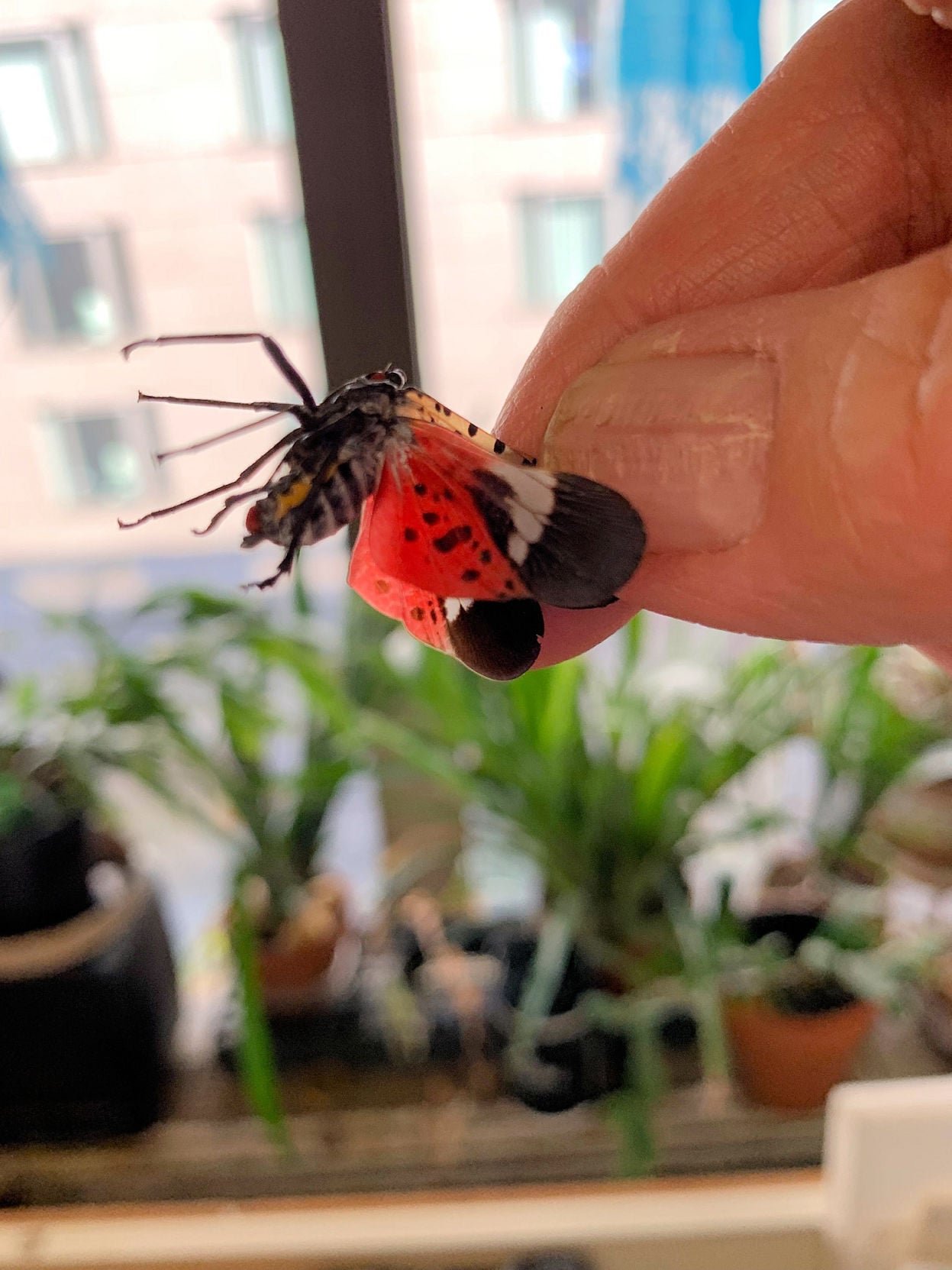
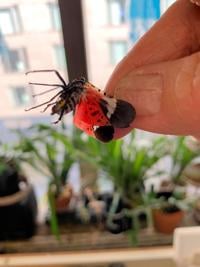
This looks like a sinister creature and entomologists are still doing some head-scratching on its impact. The Spotted Lanternfly is an invasive species from Asia, first documented in 2014 in our area in Pennsylvania. It has made its way to South Jersey. The SLF has the insect kingdom's yellow-and-black warning stripes like a wasp although the SFL isn't known to bite or sting people or animals, according to the Pennsylvania Department of Agriculture. If you or an animal eats one, the level of toxicity is not known. However, they can damage plants and trees.


