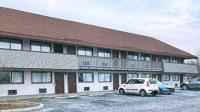
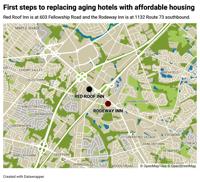
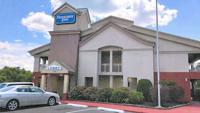
Cherry Hill, Evesham/Marlton, Medford, Medford Lakes, Moorestown, Mount Laurel, Voorhees and elsewhere near the iconic state highways of Routes 70 and 73.
Gov. Phil Murphy on Tuesday signed legislation designed to help stanch rising energy costs.
The first of two bills he signed,A5736/S4532, will update notification requirements in the Energy Bill Watch program.
On the 10th and 20th day of each billing cycle, natural gas and electricity providers will have to tell customers, via text or email, how much their usage is costing.
The information, the sponsors say, will allow ratepayers time to reduce their consumption so their bills aren't unexpectedly high, particularly during unusually cold or hot weather.
A5466/S4318, the second bill, will require the Board of Public Utilities to study effects of data centers on electricity costs. Analysts will seek to determine whether data centers, which use tremendous amounts of power to process artificial intelligence systems, are driving higher generation, distribution and generation rates for residential and commercial customers. Data will be analyzed over 20 years.
"Things like data centers for artificial intelligence consume enormous amounts of electricity, and so we want to make sure that if they are going to set up shop in New Jersey, that's fine, that they don't do that on the backs of New Jersey ratepayers," said state Sen. Andrew Zwicker, a Democrat from South Brunswick who is among a group of lawmakers sponsoring legislation to reduce energy costs.
New Jersey business and residential customers on June 1 saw electricity bills jump an average $20 per month as a result of an annual auction by PJM Interconnection, a regional power transmitter to local utilities. As AI and the digital landscape grow, it's crucial to understand environmental and cost impacts for New Jerseyans, lawmakers say.
"The high-tech data centers that are proliferating throughout the state consume a large amount of electrical power at a time when energy costs are increasing for ratepayers," state Sen. John Burzichelli, a Democrat from Paulsboro, said in a statement.
"We need to know if their impact on the energy supply is causing rate increases for everyday consumers. This information will help protect residential ratepayers from being forced to subsidize high-profit data centers."