
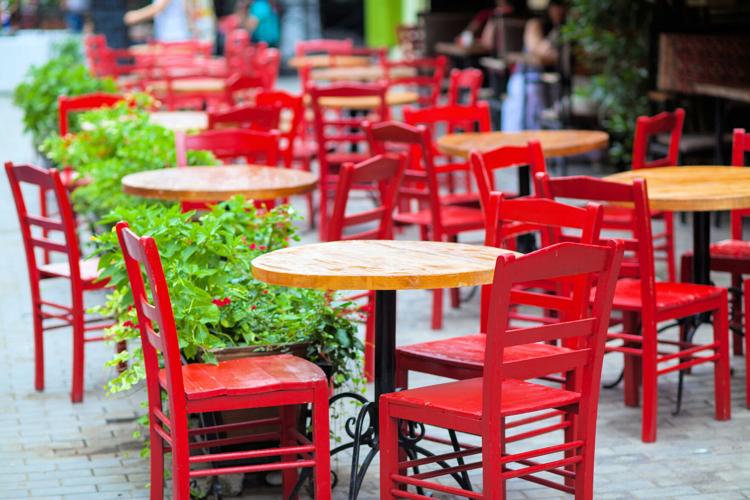

For restaurants across New Jersey, the sidewalks and parking lots outside have never looked so alluring.
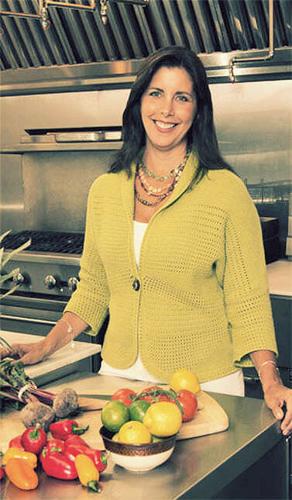
Marilou Halvorsen, president of the NJ Restaurant & Hospitality Association, said that with outdoor dining approved to begin Monday, June 15, restaurants are looking everywhere to seat their customers.
"The towns are trying to be as creative as they can with the restaurants," Halvorsen told 70and73.com in a telephone interview. Communities are offering sidewalks, parking lots and, in some cases, closing streets down so restaurants can set up tables and serve. Many restaurants are adding tents to overcome bad weather, she said.
Because of COVID-19 and social distancing, restaurants have been limited to take-out or delivery service only. At Wednesday's daily coronavirus briefing, Gov. Phil Murphy noted he already has made reservations for outside dining on the opening Monday night.
"Municipalities are permitted to use their existing authority to allow food or beverage establishments to expand their footprint to outdoor areas, both within their property and among municipally-governed areas, including but not limited to sidewalks, streets, or parks," Murphy said in his executive order.

Marilou Halvorsen, NJ Restaurant & Hospitality Association president.
The shutdown has been rough and, for some, fatal to restaurants in New Jersey and across the nation.
By the end of April, the latest estimate available, more than 8 million restaurant employees nationwide had been laid off or furloughed and the industry had lost $80 billion in sales, according to the National Restaurant Association. In New Jersey, Halvorsen estimates between 15% and 18% of the state's small independent restaurants — burdened by continuing rent, mortgage, insurance, utilities or other costs — probably will not reopen.
Radical changes in dining are in store for both diners and waitstaffs in less than two weeks.
The state Health Department late Wednesday released rules for outdoor dining. They include:
- Seating is limited to eight customers at each table.
- Seating must be arranged so each dining party is at least six feet apart from others.
- Provide physical guides and signs to make sure customers remain at least six feet apart while waiting for seating or restrooms.
- Eliminate self-service food or drink, including buffets and salad bars.
- Disinfect all tables, chairs and any other shared items such as menus or pens after each use.
- Conduct daily health checks of employees, such as taking temperatures or symptom checking.
- Require employees to wear face coverings and to wear gloves when in contact with customers, handling prepared foods or serving food or utensils.
- Require customers to provide a telephone number if making a reservation to facilitate contact tracing.
- Recommend customers wait in cars or away from the establishment while waiting if the outdoor wait area cannot accommodate social distancing. Alert customers with calls or texts and avoid shared objects like pagers.
- Decline entry to the indoor part of the establishment to a customer not wearing a face covering.
One issue not addressed: a thunderstorm rolling in with lightning. Staying outside or under a tent becomes a safety issue, Halvorsen said. Would the diners be able to take their meals inside?
Halvorsen has been association president for more than seven years — assuming the role just as Hurricane Sandy struck. She recalls it took restaurants affected by Sandy years to recover. Now, the COVID crisis is much worse, impacting every restaurant in the state.
When inside dining is permitted, will it mean the death of the buffet and salad bar?
"It could be a long way off before you see buffets permitted," Halvorsen said. "I just don't think the consumer confidence will be there for a while for that."
Restaurants are being forced to innovate. An Asian buffet, for example, might concentrate more on takeout or delivery or convert to table service outside, she said.
Opening up dining indoors will be a much bigger decision, Gov. Murphy has said.
"I hope we're in indoor dining sooner than later. And, again, that's more complicated. Indoors, lacking ventilation, sedentary, close proximity is harder. And we have to accept that," Murphy said at Tuesday's COVID briefing.


